Industrial Scrap Management for Factories — A Practical Guide
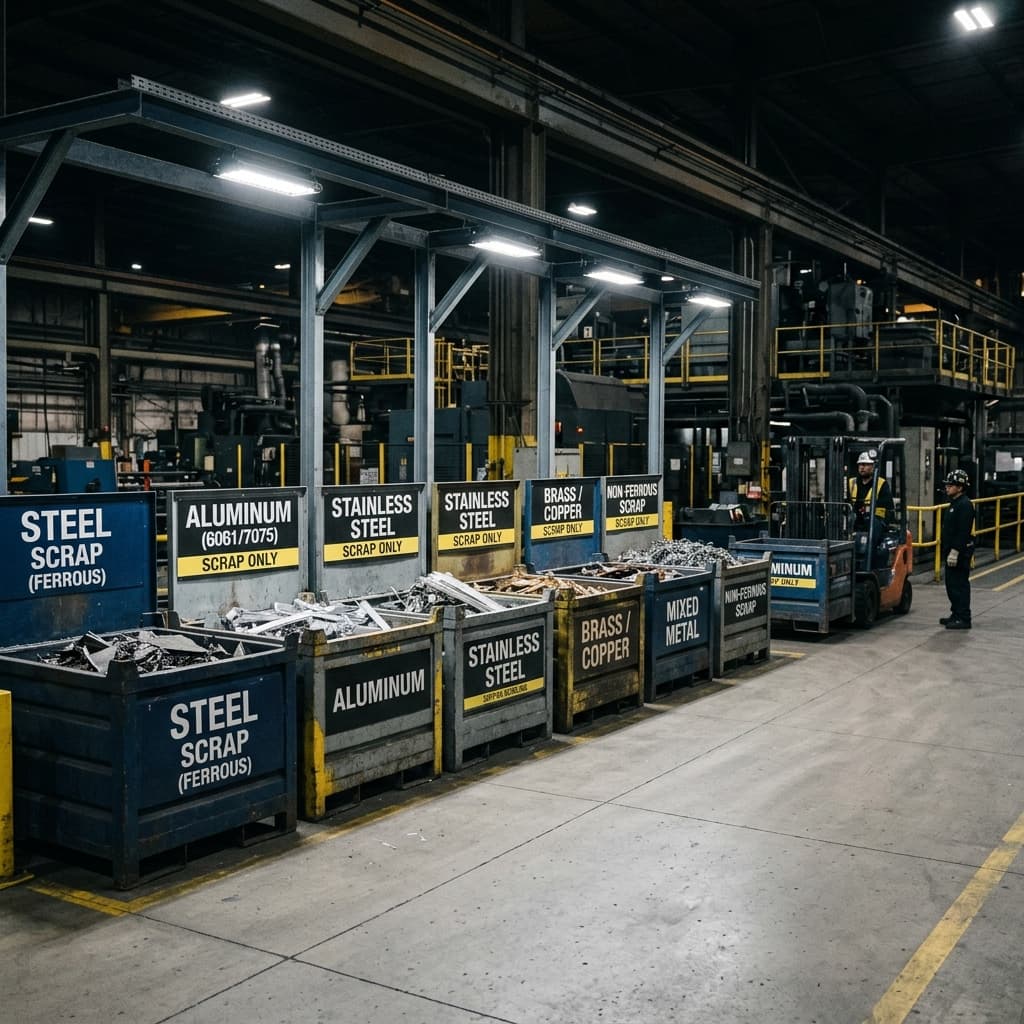
Common Scrap Types in Factories
Every manufacturing facility generates scrap — it's an unavoidable byproduct of production. The most common types include:
- Metal offcuts — steel, aluminum, copper pieces from cutting and machining
- Defective parts — rejected items that can't be reworked
- Old machinery — equipment being replaced or decommissioned
- Packaging waste — metal drums, pallets, banding
- Cable and wire waste — from electrical installations and maintenance
- Oil drums and containers — from lubricants and chemicals
The challenge isn't generating scrap — it's managing it efficiently so it doesn't block your production floor, create safety hazards, or cause compliance issues.
Setting Up a Scrap Management Schedule
The best factories treat scrap management as a scheduled operation, not an afterthought:
- Weekly sorting — designate a scrap collection area and sort materials weekly
- Monthly pickup — schedule regular pickups with your scrap partner
- Quarterly review — assess volumes, adjust schedules, review documentation
- Annual audit — ensure all disposal records are complete for compliance
A consistent schedule prevents scrap pile-up, maximizes floor space, and ensures you're always audit-ready.
Documentation for Factory Audits
Have scrap to sell? Get a free pickup assessment from Krusco.
Book a Pickup →For every scrap transaction, your records should include:
- Date and time of pickup
- Material categories and quantities (per weighment slip)
- GST invoice from the buyer
- Disposal certificates (especially for e-waste or hazardous materials)
- Authorized person who supervised the pickup
These records are essential for ISO audits, tax compliance, and environmental inspections.
The Cost of Poor Scrap Management
Factories that neglect scrap management face real costs:
- Lost floor space — scrap piles reduce usable production area
- Safety hazards — metal scrap causes injuries if not properly stored
- Audit failures — missing documentation creates compliance gaps
- Revenue loss — unmanaged scrap deteriorates and loses value
- Environmental fines — improper disposal attracts regulatory penalties
How B2B Scrap Contracts Work
For factories with consistent scrap volumes, a B2B contract with a scrap partner is the most efficient approach:
- Agreed pickup schedule (weekly, bi-weekly, or monthly)
- Dedicated team assigned to your facility
- Market-linked rates reviewed periodically
- Standard documentation package for every pickup
- Priority service with guaranteed response times
Krusco Traders serves 50+ factories across Karachi on B2B contracts. Contact us to discuss your factory's scrap management needs.
Krusco's Factory Pickup Service
Our industrial pickup service is designed specifically for factories:
- Experienced crew with factory-floor handling expertise
- Own fleet of trucks for any volume
- ISO-certified digital scales for transparent weighing
- Complete GST invoicing and disposal documentation
- Same-day pickup available across Karachi's industrial zones
Ready to sell your scrap?
Related Articles
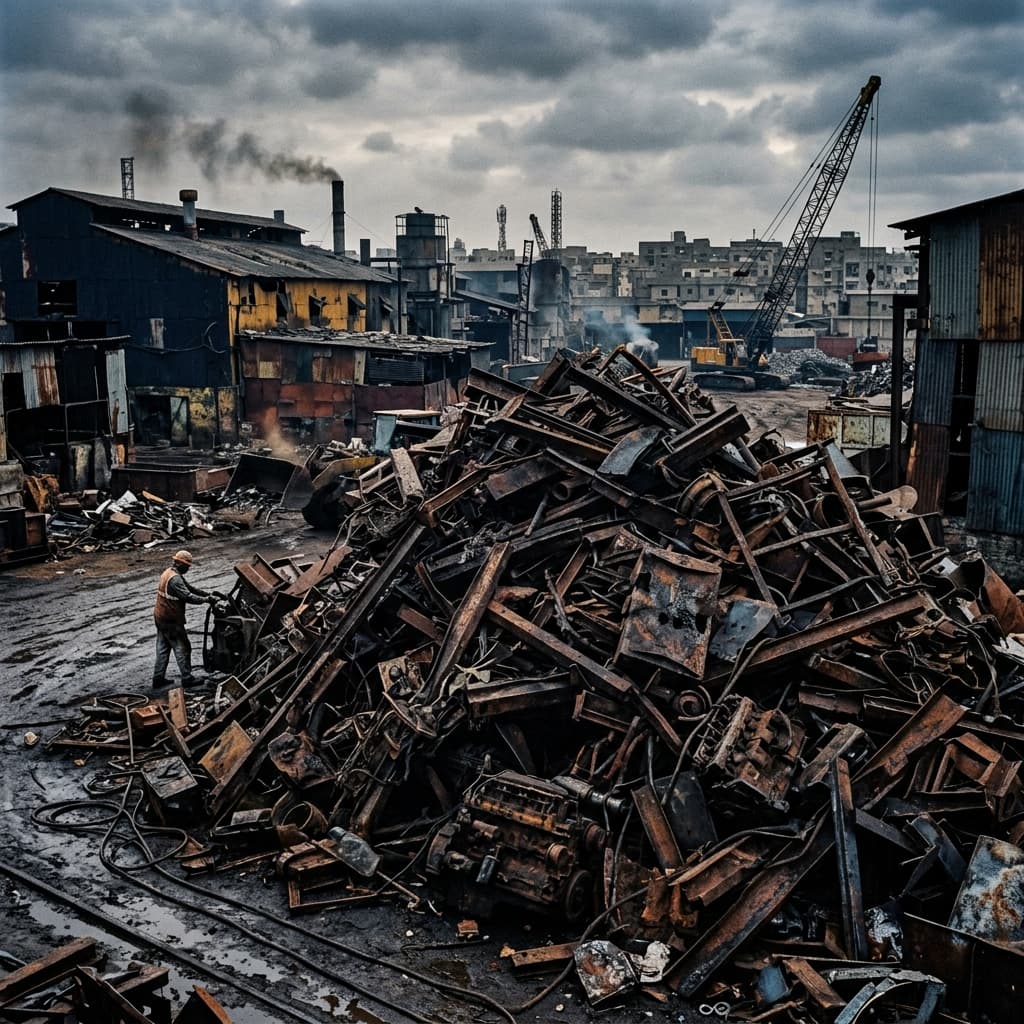
How to Sell Industrial Scrap in Karachi — The Complete Guide
Step-by-step guide to selling industrial scrap in Karachi. What documents you need, how weighing works, and how to get the best value for your scrap materials.
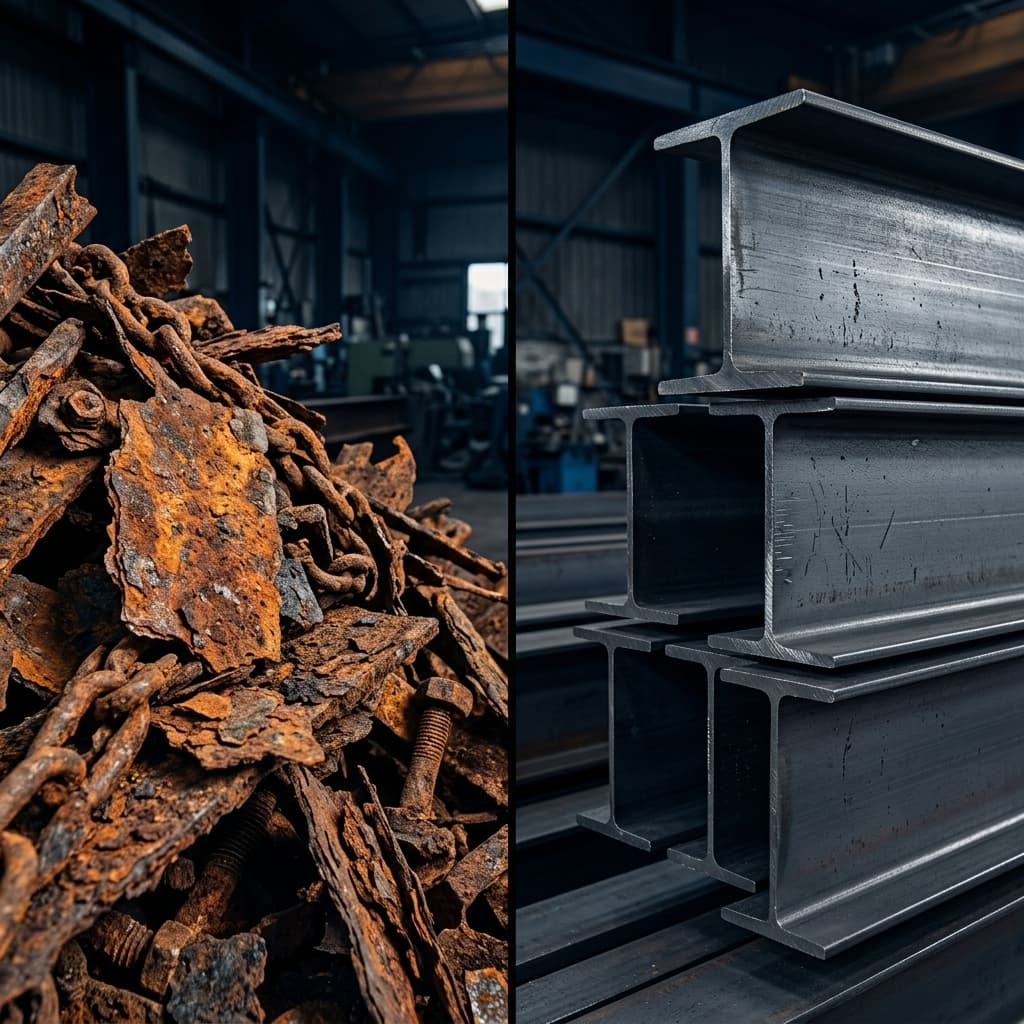
Iron vs Steel Scrap — What's the Difference?
What is the difference between iron and steel scrap? Learn how to identify each, which is more valuable, and how professional buyers handle both.
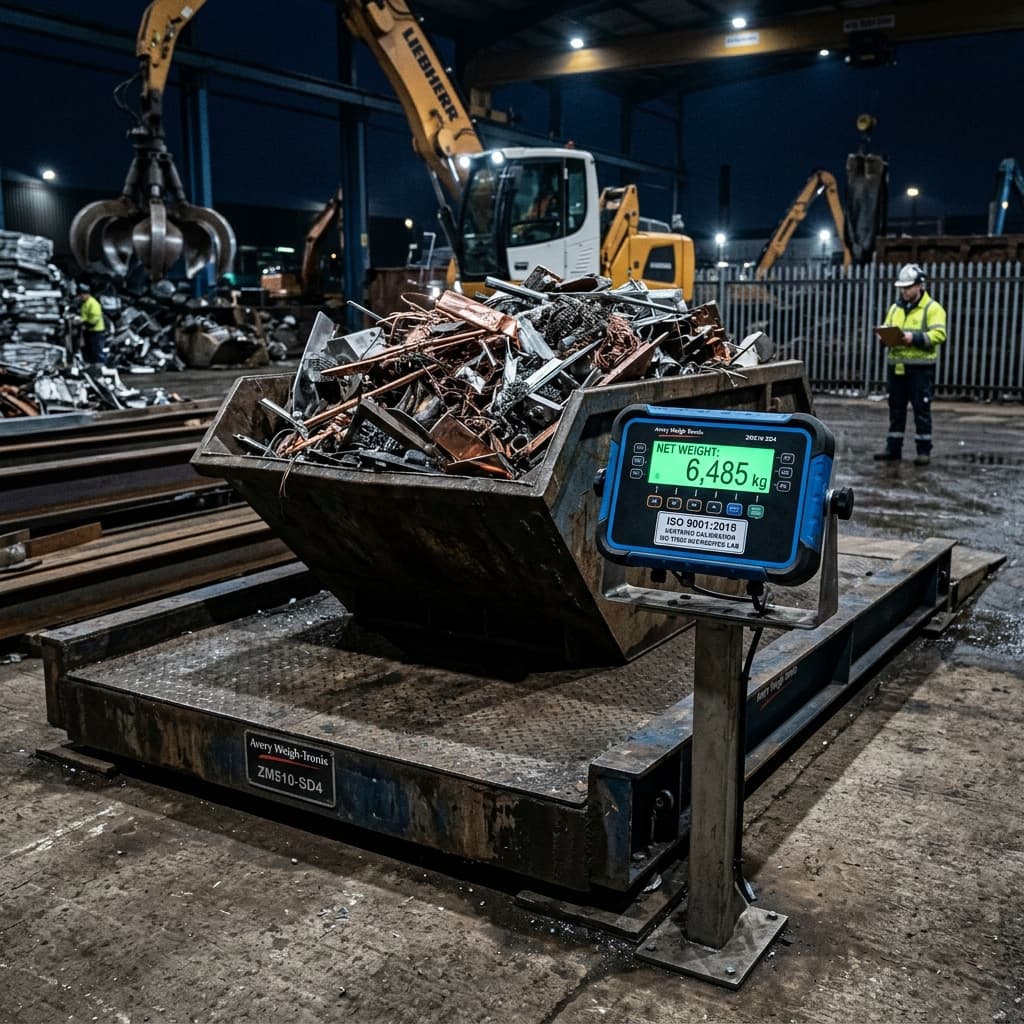
How to Choose the Right Scrap Buyer in Karachi
What to look for when choosing a scrap buyer in Karachi. Documentation, weighing, reliability, and why industrial clients choose Krusco over local kabadwalas.